Seasonal drivers that raise risk
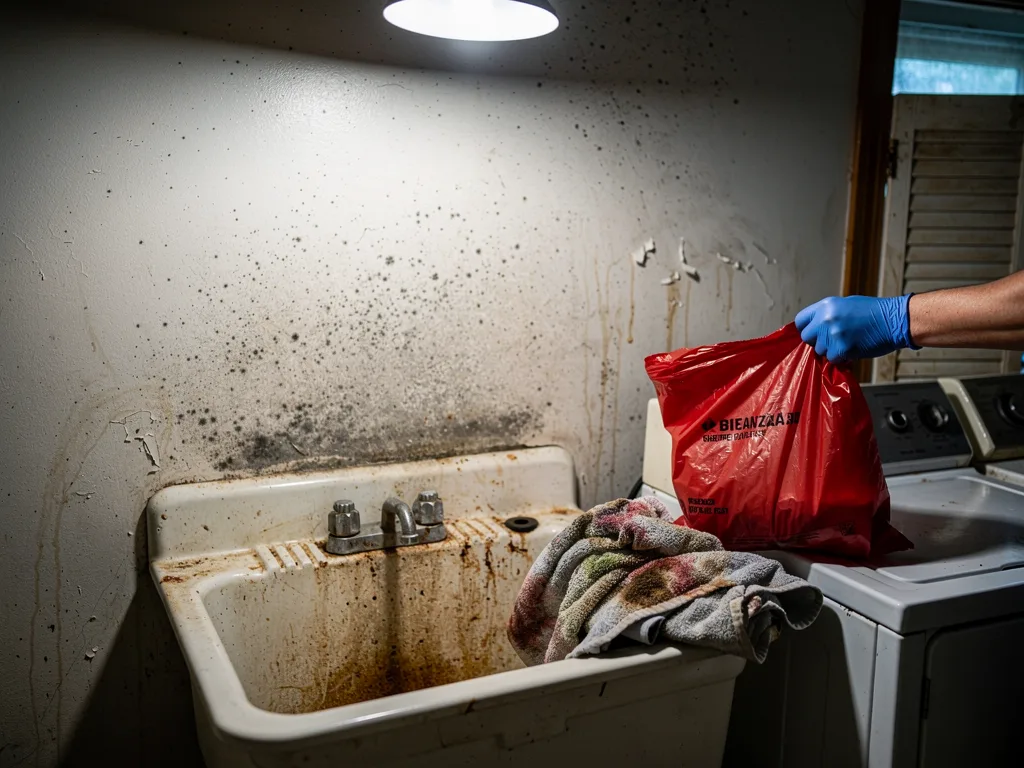
South Carolina experiences humid summers and damp shoulder seasons. Heavy rains can lead to water intrusion and hidden moisture, which in turn creates conditions for mold growth and microbial spread. Heat can accelerate odors and chemical reactions in some environments. Our biohazard remediation technicians keep an eye on moisture levels, ventilation, and materials that may trap contaminants.
Along with weather, household events like renovations, new occupants, or accidents can shift the risk profile. In any of these scenarios, proactive checks help you stay ahead of problems that could become larger issues down the line.
Preventive steps homeowners can take statewide
Start with a simple moisture check near bathrooms, kitchens, and basements. Use a humidity monitor to keep levels under about 50 to 60 percent where possible. If you notice condensation, leaks, or damp spots, address them quickly. In South Carolina, even small moisture problems can lead to bigger concerns if left untreated.
Ventilation matters. Use exhaust fans in bathrooms and kitchens, and consider a dehumidifier in damp spaces. Regular cleaning of high-risk areas helps, but avoid aggressive cleaning on surfaces that might trap contaminants. If you’re unsure, a quick call to our nationwide South Carolina network can set you up with practical guidance tailored to your home.
Seasonal cleanup planning
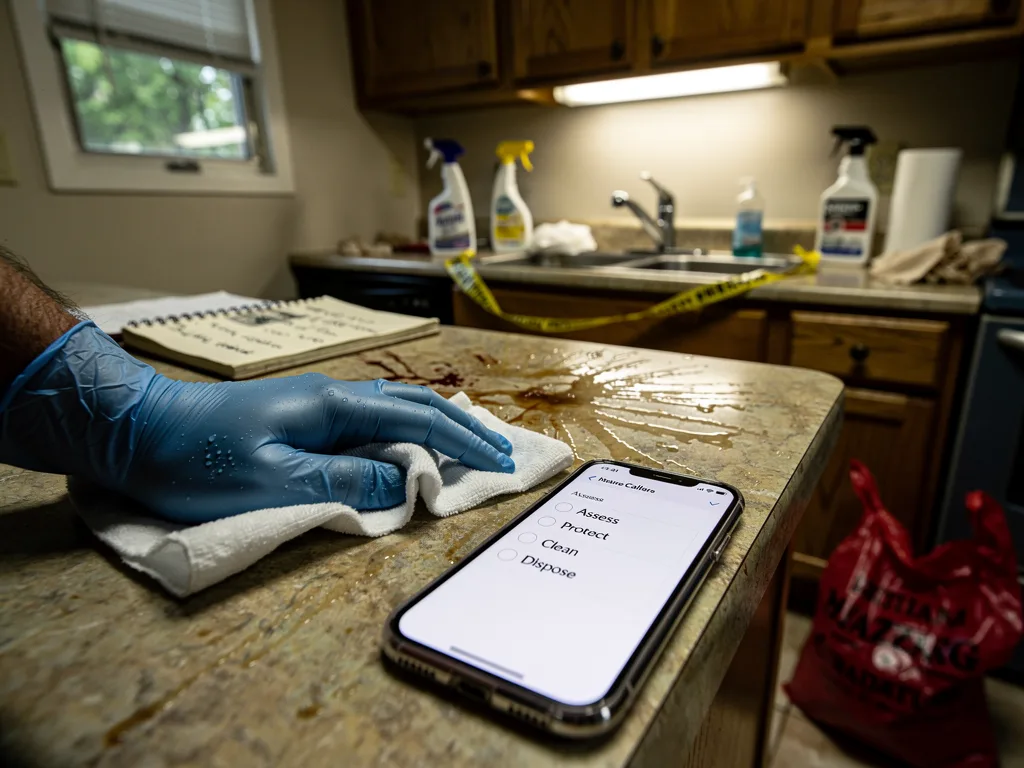
Plan an annual checkup with a biohazard remediation technician. The visit typically includes a walk-through, a quick review of moisture and air quality, and a set of recommendations. In statewide practice, technicians document observations and help you prioritize next steps, whether it’s sealing a basement, addressing a closet with dampness, or testing air quality after a recent event.
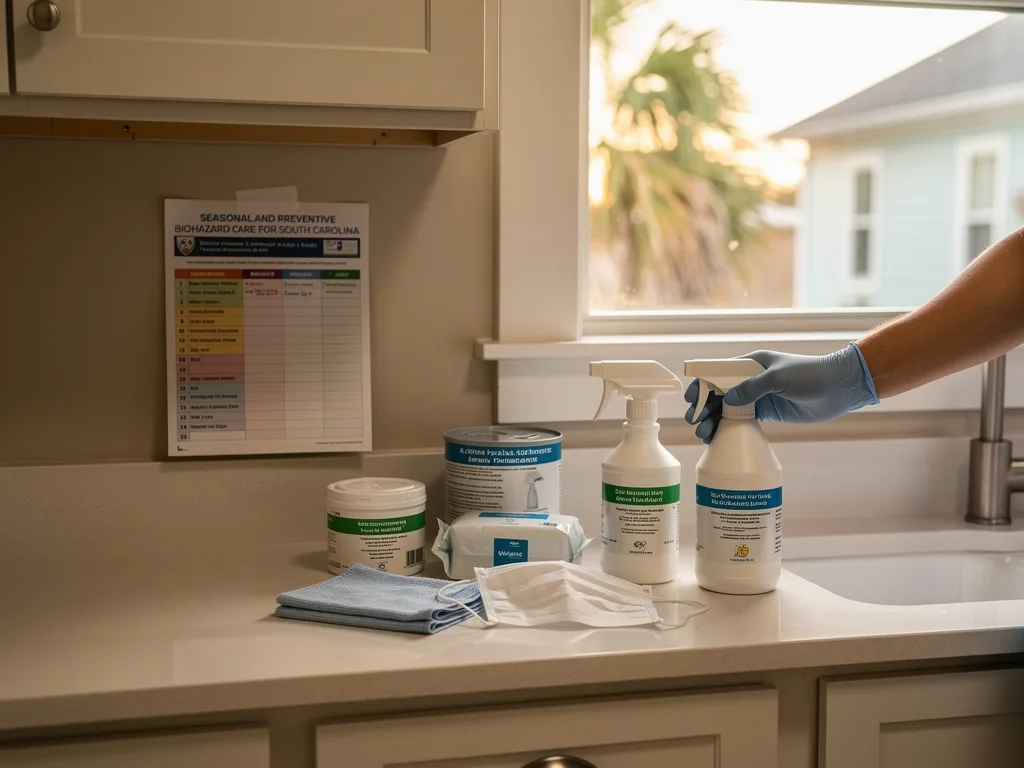
South Carolina homeowners benefit from predictable, state-wide planning. By staying aware of seasonal changes, you can prevent minor issues from turning into bigger problems that require more extensive cleanup and remediation later on. Our crews across the state are ready to help you implement a practical, low-stress plan when you need it.